
The Impact of Tariffs on Logistics
April 10th, 2026 | Josie Ritter
Intro to Tariffs and The Current Overall Impacts
In 2025, the government implemented tariffs—taxes on imported goods and services designed to increase costs and protect domestic industries. While intended to strengthen domestic production, these policies have significantly disrupted the global logistics landscape. By early 2026, tariff-driven trade disruptions are forcing shippers to pivot away from traditional sourcing strategies and high-volume ocean routes, fundamentally reshaping supply chains and increasing inland logistics costs.
According to Tax Foundation, these tariffs have proven to be “sticky,” meaning they persist long enough to reduce profitability and drive up consumer prices. At the same time, fluctuating trade policies have introduced volatility across transportation networks, creating what industry experts describe as “lane-level shocks”—sudden disruptions in capacity, pricing, and transit times.
Shipping and Transportation Costs
First, increased shipping and transportation costs—exacerbated by tariffs—are having a significant impact on businesses that rely on international logistics. These added costs are typically passed on to consumers through higher prices.
According to Houston Public Media, logistics budgets are being further strained by rising fuel surcharges (up to 27%) and additional carrier price increases, compounding the financial pressure caused by tariffs.
In response, many businesses attempt to reroute shipments or shift sourcing regions. However, these adjustments often lead to longer transit times, operational inefficiencies, and higher overall costs. Tariffs are also increasing the cost of maintaining and acquiring key logistics assets such as trucks and equipment, adding another layer of financial burden.
Supply Chain Disruptions
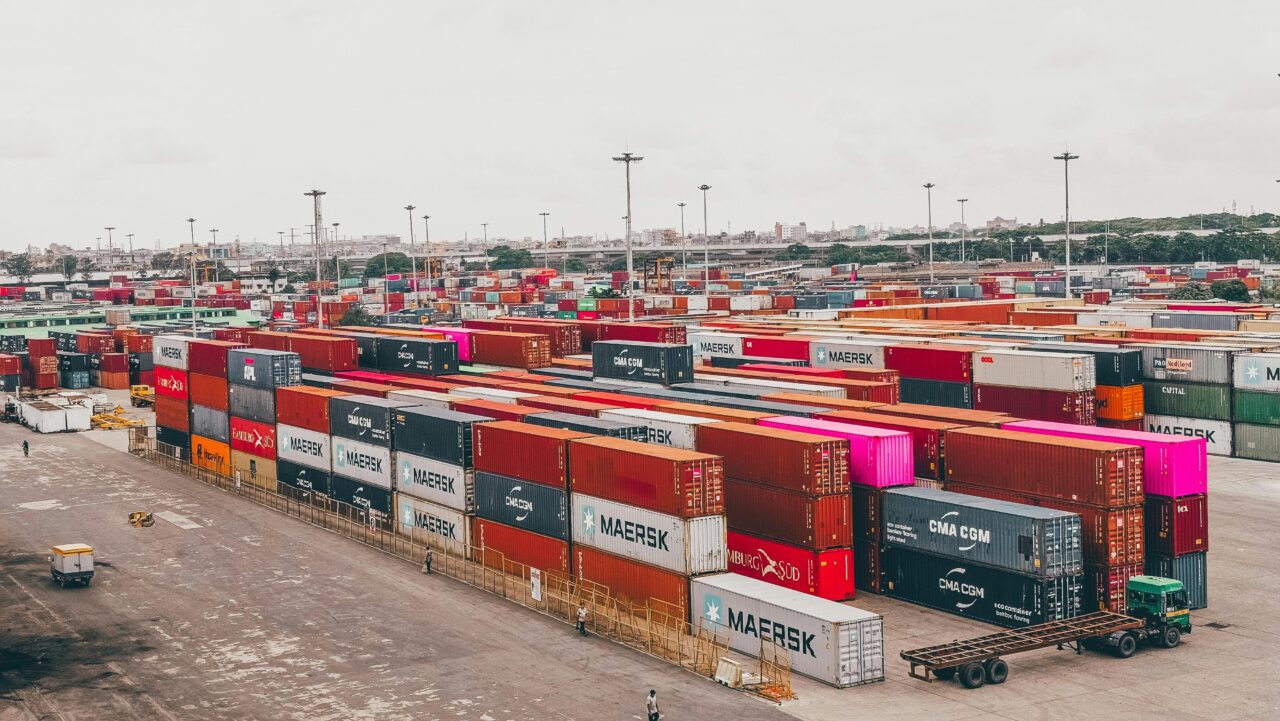
Tariffs are significantly disrupting supply chains, particularly those dependent on just-in-time (JIT) systems. Increased customs scrutiny and regulatory complexity are slowing clearance times at ports, creating bottlenecks and delays.
At the same time, companies are shifting away from traditional trade partners. According to STG Logistics, trade tensions have accelerated a move away from Chinese imports, reducing volumes at West Coast ports while increasing congestion and strain at Southeastern and Gulf Coast ports.
This shift introduces new risks, including cargo theft, damage, and increased reliance on expedited shipping—often at premium costs.
Increased Operational Costs
As tariffs ripple through the supply chain, operational costs are rising across the board. Businesses are being forced to hold more inventory to buffer against delays and price volatility, increasing demand for warehouse space and driving up storage costs.
According to GHY International, many importers are also facing capital constraints, as duties must be paid upfront to U.S. Customs. This has forced some companies—especially smaller businesses—to rely on lines of credit simply to move goods through ports.
Demand and Capacity
Tariff announcements continue to trigger “front-loading,” where companies rush to import goods before new duties take effect. While this temporarily increases shipping demand and drives up freight rates, it is often followed by sharp declines in volume.
For example, according to GHY International, heavy front-loading in late 2025 contributed to a projected 12% drop in import volumes in March 2026 as inventory levels normalized.
This cycle creates instability in capacity planning, leading to overcapacity, blank sailings, and unpredictable rate fluctuations—making forecasting increasingly difficult for logistics providers.
Sourcing Strategies
To mitigate tariff exposure, many companies are restructuring their sourcing strategies by shifting production to Southeast Asia or nearshoring closer to the U.S. While these strategies can reduce tariff burdens, they also introduce new complexities in logistics networks.
As trade lanes shift, inland transportation costs rise, and alternative port regions experience congestion. This realignment of global supply chains is not just a short-term adjustment—it represents a long-term structural shift in how goods move worldwide.
Pressure On Freight Forwarders and Third-Party Logistics
As freight forwarders and third-party logistics (3PL) providers assist businesses in navigating customs regulations and tariffs, they encounter increasing pressures. Logistics companies are required to stay informed about regulatory changes while optimizing routes, renegotiating contracts, and ensuring compliance. These necessary adjustments complicate operations, often resulting in higher service charges and increased overall costs. As businesses persist in their reliance on 3PL providers, they face rising expenses that could potentially diminish profitability.

The Current Tariff Landscape
Callout: Key Tariff Changes Impacting Shippers
(According to GHY International)
- Metal Tariff Overhaul: Effective April 6, 2026, Section 232 duties now impose a 50% tariff on the full value of steel and aluminum goods.
- Derivative Goods: Products substantially made of steel, aluminum, or copper face a 25% tariff.
- Pharmaceutical Onshoring: A new executive order introduces a 100% baseline tariff on imported patented pharmaceuticals to encourage domestic production.
- Section 122 Tariffs: A broad 10% tariff remains in effect temporarily but is set to expire after 150 days, adding uncertainty to supply chain planning.
How Transloading Helps Mitigate Tariff Impacts
As shippers navigate this volatile environment, transloading has emerged as a critical strategy. Transloading—the process of transferring cargo from international containers to domestic trailers or rail—helps companies regain control over costs and improve supply chain flexibility.
According to STG Logistics, transloading has become a “strategic linchpin” in 2026 logistics due to its ability to offset rising costs and improve efficiency.
Cost Efficiency:
By shifting goods from 40-foot ocean containers into 53-foot domestic trailers, shippers can consolidate freight and reduce per-unit transportation costs. In some cases, this can result in up to a 20% reduction in overall freight expenses.
Increased Flexibility and Speed:
Transloading enables mode switching closer to the final destination—such as moving freight from ocean to rail—allowing for faster and more adaptable supply chains.
Avoiding Port Congestion and Fees:
By quickly unloading cargo at port facilities, shippers can avoid costly detention and demurrage fees that often spike during tariff-driven congestion.
Enhanced Inventory Management:
Transloading allows shipments to be split and routed directly to regional distribution centers, improving speed-to-market and reducing the need for excess inventory storage.
Duty Deferral Opportunities:
Using customs-bonded warehouses or Foreign Trade Zones (FTZs), shippers can delay paying tariffs until goods enter the domestic market, improving cash flow and reducing immediate financial strain.
Routing Flexibility:
Transloading facilities act as strategic buffer points, enabling companies to reroute shipments based on changing trade policies or regional demand shifts.
Conclusion / Overview
The implementation of tariffs has created a ripple effect across the global logistics industry, transforming a system once defined by efficiency and predictability into one characterized by volatility and complexity. Rising costs, shifting trade lanes, and ongoing policy changes have forced businesses to rethink traditional supply chain strategies.
However, solutions like transloading demonstrate how companies can adapt. By improving flexibility, reducing costs, and enhancing inventory management, transloading allows shippers to navigate uncertainty more effectively.
Ultimately, success in this new environment will depend on resilience, strategic agility, and the ability to quickly respond to changing trade dynamics. The logistics industry is no longer driven solely by cost efficiency—it is now defined by adaptability in the face of constant disruption.