
April 10th, 2026 | Josie Ritter

How the Iran War Is Affecting North American Markets & Transload Operations
The Iran war is hitting North American shipping and transload operations hard through fuel-driven cost spikes, longer ocean transit times, container dislocation, and tightening airfreight capacity. These mishaps are then closely followed by the closure of the Strait of Hormuz, and widespread rerouting is cascading into U.S. and Canadian ports, rail ramps, and inland transload hubs, raising costs and reducing reliability. But what does this all mean? What will the specific impacts be? How will logistics truly begin to feel this? Below is a clear, North America-specific breakdown grounded in current data.

1. Fuel Price Shock → Higher Truck, Rail & Transload Costs
- Brent crude has surged and ranged $75 to $112 per barrel since April 1st after the conflict intensified, pushing diesel prices sharply higher, according to FTI Consulting
- U.S. national average gasoline is ranging $4 to $5 per gallon, increasing drayage and linehaul costs as reported by National Law Review
- Carriers across truckload, LTL, and intermodal have raised fuel surcharges, which directly increases transload and cross-dock pricing per FTI Consulting
What this means for North America
- Transload operators (Chicago, LA/Long Beach, Vancouver, Prince Rupert, Houston) are passing through higher FSCs.
- Long-haul rail ramps (BNSF, UP, CN, CPKCS) are adding fuel-linked accessorial increases.
- Shippers with high drayage dependency (e.g., Midwest distribution centers) feel the impact fastest.
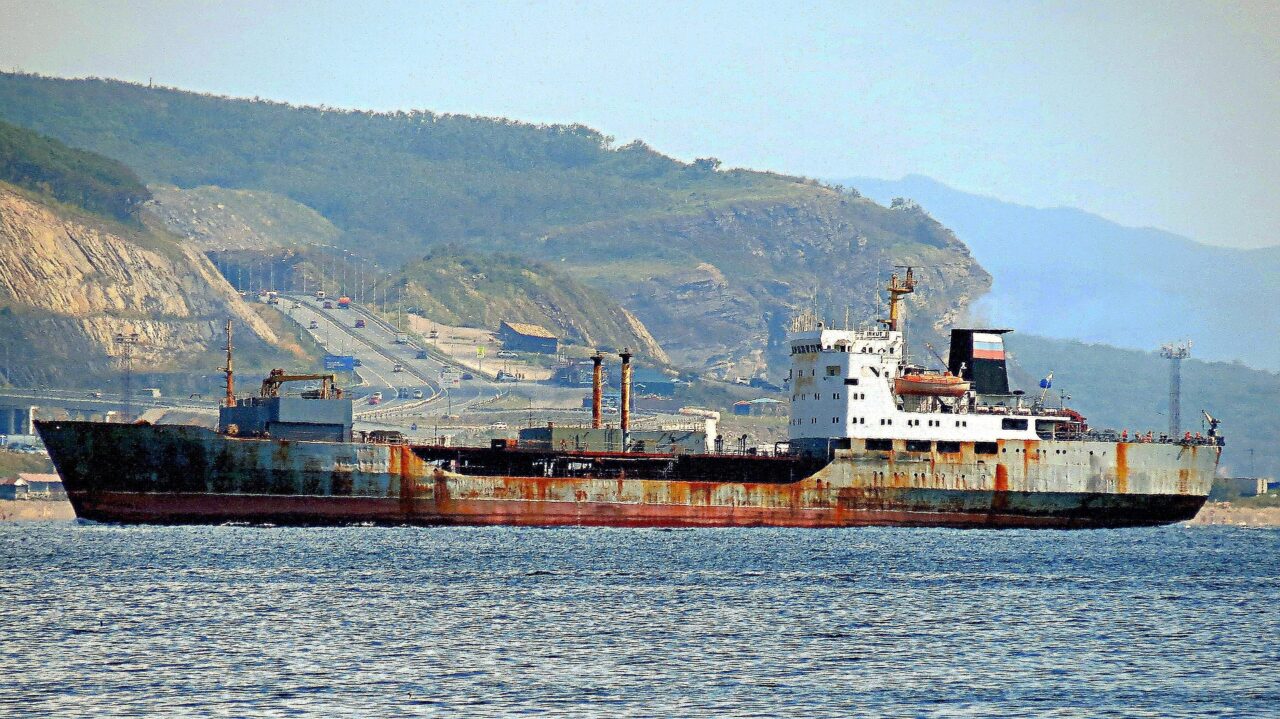
2. Ocean Rerouting → Longer Transit Times Into U.S./Canada
- Carriers are diverting vessels around the Cape of Good Hope, adding 10–14 days to Asia–North America routes as stated in National Law Review
- Container rates have jumped as capacity tightens and war-risk premiums rise, sourced by Air Cargo Week
North American impact
- West Coast ports (LA/LB, Oakland, Seattle/Tacoma, and Vancouver) are seeing the following:
- More erratic vessel arrivals
- Bunching and yard congestion
- Increased dwell times → more transload demand
- East Coast ports (NY/NJ, Savannah, Norfolk) face longer Asia–USEC transits and higher all-water rates.
- Gulf ports (Houston, Mobile) are affected by global tanker and container dislocation, though less directly than Hormuz-adjacent regions.
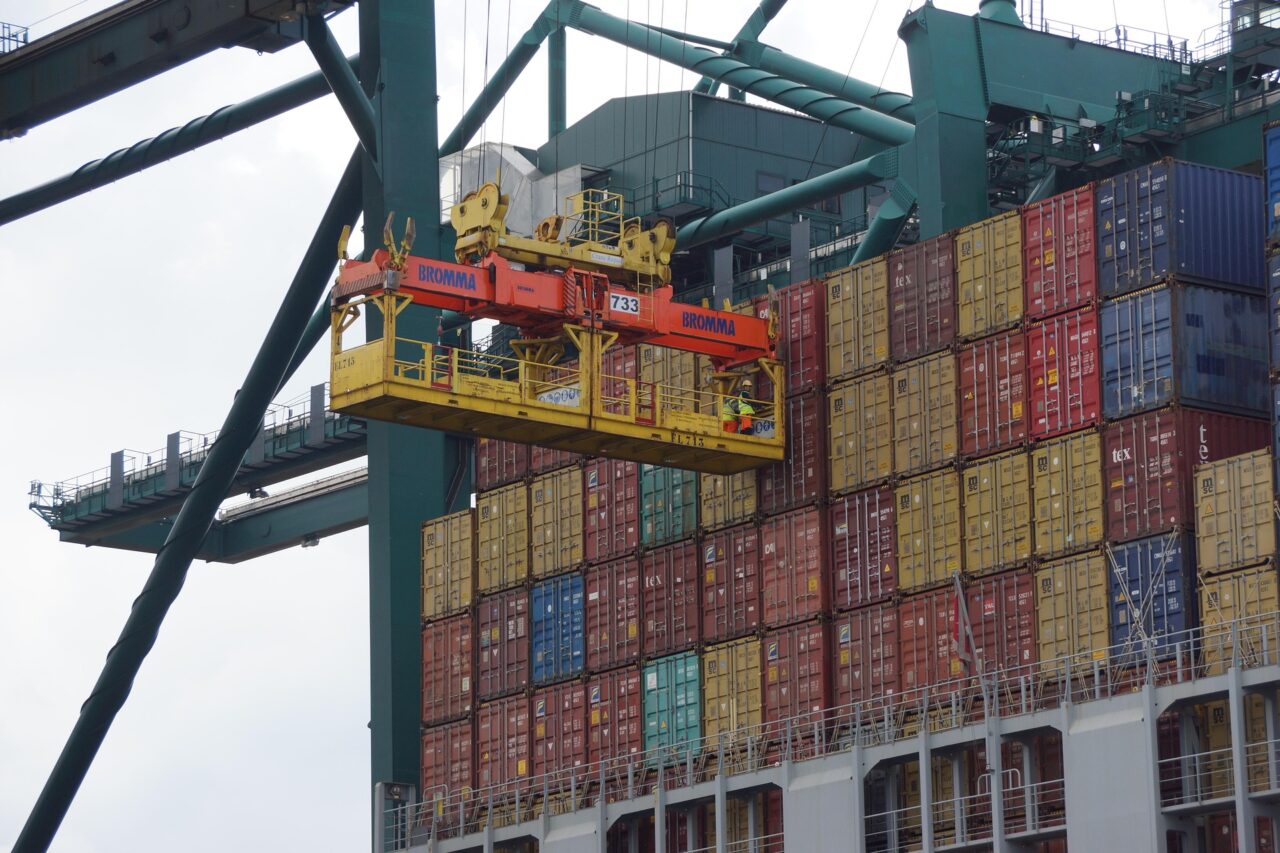
3. Container Dislocation → Surging Transload Demand
- Rerouting and port congestion are causing container shortages and longer turnaround times globally, as reported by the prestoncontainer.com
- Cargo is being discharged at alternate ports when carriers adjust rotations.
North American transload effects
- LA/LB and Vancouver transload facilities are seeing higher volumes as importers shift to transloading to reduce chassis time and avoid port dwell fees.
- Chicago, Joliet, Kansas City, and Memphis inland hubs are receiving more rail-delivered freight needing cross-docking or rework due to delays or misrouted containers.
- Retailers and 3PLs are increasing buffer inventory, which raises warehouse and transload throughput.
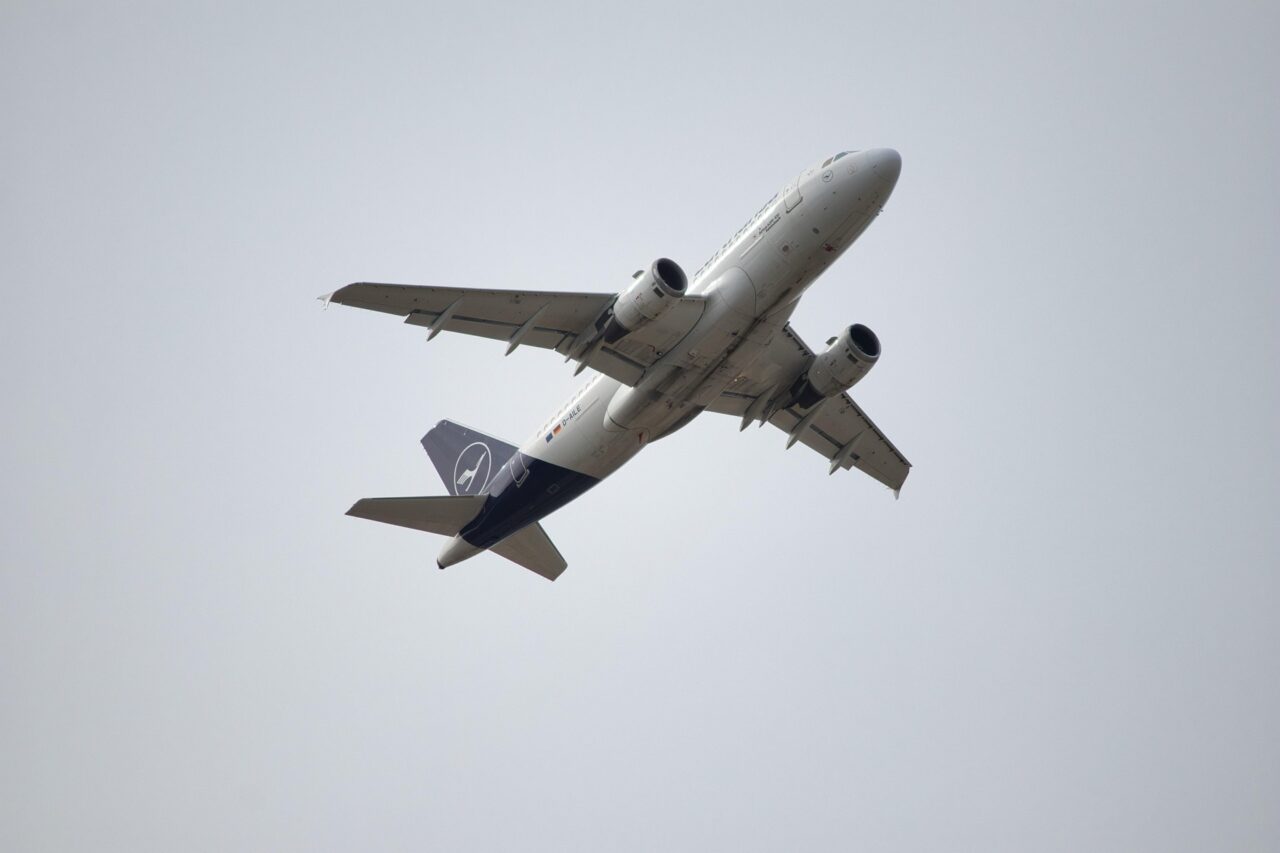
4. Airfreight Tightening → Pressure on TimeSensitive Supply Chains
- Major Middle Eastern hubs (Doha, Dubai) handle ~4% of global airfreight, and disruptions there are reducing capacity as indicated by spglobal.com
- As ocean reliability drops, shippers shift highvalue goods to air, tightening space on Asia–North America lanes according to Air Cargo Week
North American impact
- Airfreight rates into ORD (Chicago), LAX, JFK, YYZ (Toronto), YVR (Vancouver) are rising.
- Transload operators handling ecommerce, electronics, pharma, and automotive parts are seeing more sea/air truck hybrid flows.
- Increased air cargo means more airport-adjacent cross-dock activity and faster cycle expectations.
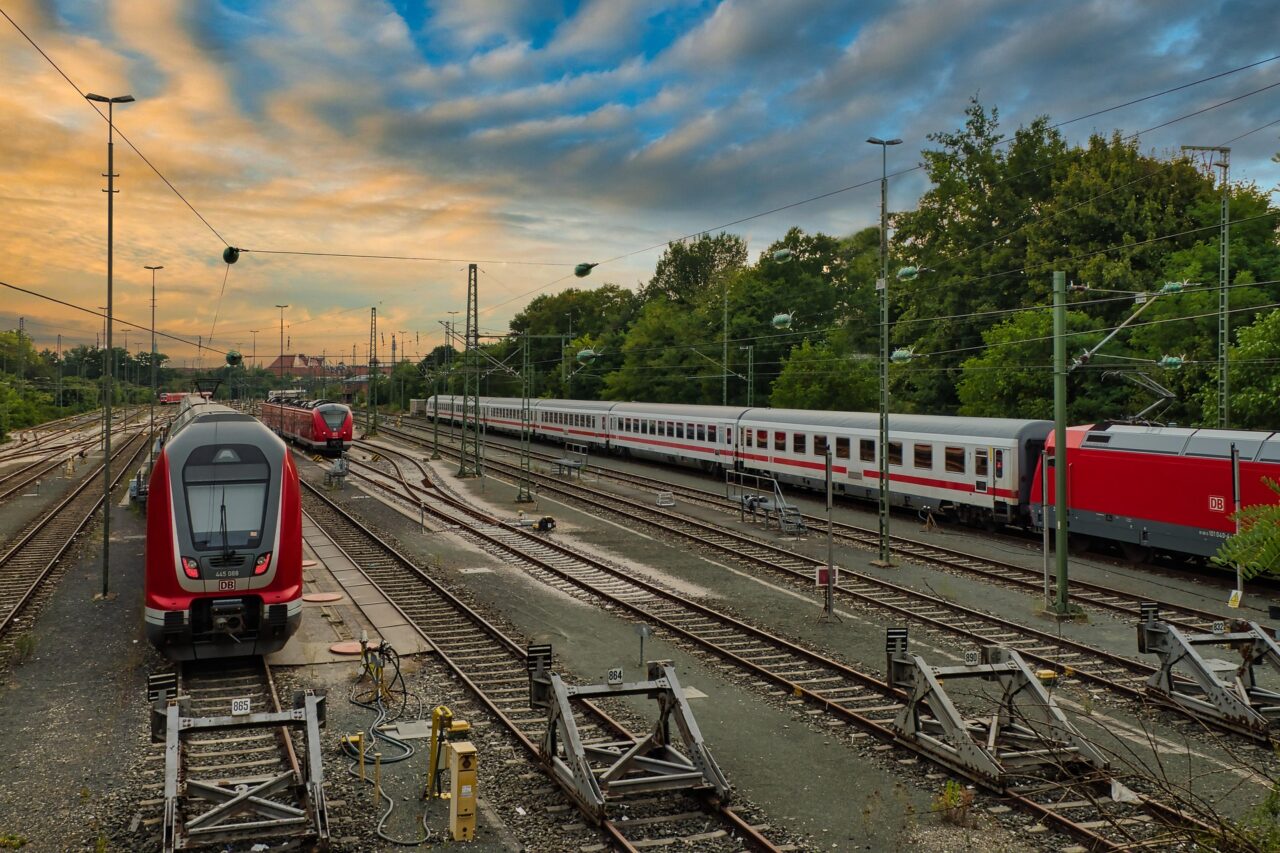
5. Inland Network Stress → Rail & Drayage Volatility
- Higher fuel costs and unpredictable vessel arrivals are causing rail schedule variability and chassis shortages.
- Intermodal networks are absorbing more volume as shippers try to bypass congested ports.
North American transload implications
- Chicago (the largest inland intermodal hub) is experiencing:
- More lastminute transload requests
- Higher detention/demurrage exposure
- Increased need for flexible warehouse labor
- Texas and Gulf Coast hubs are seeing more rerouted freight as shippers diversify away from West Coast congestion.
Strategic Recommendations for North American Shippers & Transloaders
1. Increase Routing Flexibility
- Use multiport strategies (e.g., LA/LB + Vancouver + Houston + NY/NJ).
- Prebook transload capacity in key hubs (Chicago, Dallas, LA, Vancouver).
2. Audit Fuel Surcharge Exposure
- Review FSC mechanisms across truckload, LTL, and intermodal contracts.
- Consider fuel hedging or renegotiating surcharge caps reported by FTI Consulting
3. Build Inventory Buffers
- Add 7–21 days of safety stock depending on product velocity.
- Use inland DCs (Chicago, Columbus, Dallas) to stabilize distribution.
4. Shift HighValue Goods to Air or SeaAir
- For critical SKUs, consider routing via Doha alternatives or direct Asia–North America flights.
5. Strengthen Transload Partnerships
- Secure guaranteed dock appointments and labor blocks.
Use transload to free up containers quickly and reduce chassis fees.