
Cross‑Border Green Logistics: How U.S., Canada, and Mexico Rules Affect Your Supply Chain

A practical guide to regulatory differences, logistics impacts, and three immediate steps to reduce risk.
Background on Cross-Border Regulatory Differences
Cross-border regulatory differences shape the cost, legality, and speed of international logistics operations. Diverging environmental, labor, tax, and data regulations create compliance complexity that can delay shipments, increase operational expenses, and expose firms to reputational risk. Companies operating across North America must navigate inconsistent regulatory frameworks to avoid fines, shipment disruptions, and contractual liability while maintaining efficient supply chains.
The United States Regulatory Approach

Key Laws
Environmental regulation in the United States is primarily enforced by the Environmental Protection Agency (EPA), established in 1970. Major federal statutes governing environmental protection include the Clean Air Act (CAA, 1970; amended 1990), which regulates air pollution and vehicle emissions; the Clean Water Act (CWA, 1972), which governs water pollution and discharge permits affecting ports and logistics facilities; the Endangered Species Act (ESA, 1973), which protects biodiversity and restricts development impacting protected habitats; the Comprehensive Environmental Response, Compensation, and Liability Act (CERCLA, 1980), which assigns liability and mandates cleanup of hazardous waste sites; and the Resource Conservation and Recovery Act (RCRA, 1976), which regulates hazardous waste generation, transportation, and disposal. Together, these laws establish federal accountability for pollution control and environmental risk management.
Logistics Implications
Regulations directly affecting logistics and transportation include the EPA’s Clean Trucks Plan (2021), which introduces stricter emissions standards for heavy-duty vehicles; the Greenhouse Gas Reporting Program (GHGRP, 2009), which requires emissions reporting from large facilities and fuel suppliers; and Corporate Average Fuel Economy (CAFE) standards (1975), administered by the National Highway Traffic Safety Administration (NHTSA), which establish vehicle fuel-efficiency requirements. These regulations increase fleet compliance requirements, require emissions reporting and documentation, and introduce environmental permitting obligations for logistics hubs and ports. Collectively, they encourage logistics providers to transition toward lower-emission transportation and improved environmental accountability.
Canada’s Regulatory Approach
Key Laws
Canada regulates environmental protection primarily through federal legislation supported by provincial enforcement. The Canadian Environmental Protection Act (CEPA, 1999) governs pollution prevention and toxic substances, while the Impact Assessment Act (IAA, 2019) requires environmental review for major infrastructure projects. Additional legislation includes the Fisheries Act (1985), which protects aquatic ecosystems affected by industrial activity; the Species at Risk Act (SARA, 2002), which safeguards endangered wildlife and habitats; and the Transportation of Dangerous Goods Act (TDGA, 1992), which regulates hazardous material transport across road, rail, air, and marine systems.
Logistics Implications
Several initiatives directly influence logistics operations, including the Canadian Net-Zero Emissions Accountability Act (CNZEAA, 2021), which commits Canada to achieving net-zero emissions by 2050; the Green Shipping Corridors Framework (2023), supporting marine decarbonization; Extended Producer Responsibility (EPR) programs, which require producers to manage post-consumer waste and expand reverse logistics systems; and the Cross-border Movement of Hazardous Waste and Hazardous Recyclable Material Regulations (2021), which strengthen shipment documentation requirements. These regulations increase hazardous-material transport oversight, expand recycling and reverse logistics responsibilities, and require additional compliance planning for cross-border freight movement. Canada’s regulatory system strongly integrates sustainability objectives into supply-chain decision-making.
Mexico’s Regulatory Approach
Key Laws
Mexico’s environmental framework is grounded in Article 4 of the Political Constitution of the United Mexican States, which guarantees the right to a healthy environment. The primary environmental statute is the General Law of Ecological Balance and Environmental Protection (LGEEPA, 1988), enforced through mandatory Official Mexican Standards (Normas Oficiales Mexicanas, NOMs). Additional core legislation includes the General Law on Climate Change (LGCC, 2012; reforms in 2018 and 2022), the National Waters Law (1992), and the General Law for the Prevention and Integral Management of Wastes (LGPGIR, 2003), which governs hazardous waste handling. Environmental oversight is administered by the Secretariat of Environment and Natural Resources (SEMARNAT) and the Federal Attorney for Environmental Protection (PROFEPA).
Logistics Implications
Logistics-related regulations include updated NOM vehicle emission standards implemented between 2017 and 2022, hazardous materials transportation requirements administered by the Ministry of Infrastructure, Communications and Transport (SICT), and environmental impact authorization requirements for logistics infrastructure projects. These policies create mandatory documentation standards, inspection requirements, and emissions compliance obligations for transport operators. Although Mexico’s regulatory framework increasingly aligns with international sustainability standards, enforcement consistency may vary across regions, requiring firms to maintain flexible compliance strategies.
Key Differences Across Regulatory Frameworks
The environmental regulatory frameworks of the United States, Canada, and Mexico share similar sustainability goals but differ in enforcement structure, compliance costs, and implementation consistency. The United States and Canada maintain highly structured federal emissions reporting systems and vehicle standards, while Mexico applies comparable environmental requirements through NOM standards with greater regional variability. Enforcement mechanisms in the United States typically involve significant financial penalties, whereas Canada combines federal oversight with strong provincial participation. Mexico maintains comprehensive legislation supported by national agencies, though enforcement capacity can differ by jurisdiction. Compliance costs are generally higher in the United States and Canada due to extensive monitoring and reporting requirements, while costs in Mexico vary depending on industry and enforcement intensity. These regulatory differences require logistics firms to adjust operational planning when transporting goods across borders.
Overall Impact
Steps to Managing Regulatory Change in the Supply Chain for Railroads, Transloads and Shippers
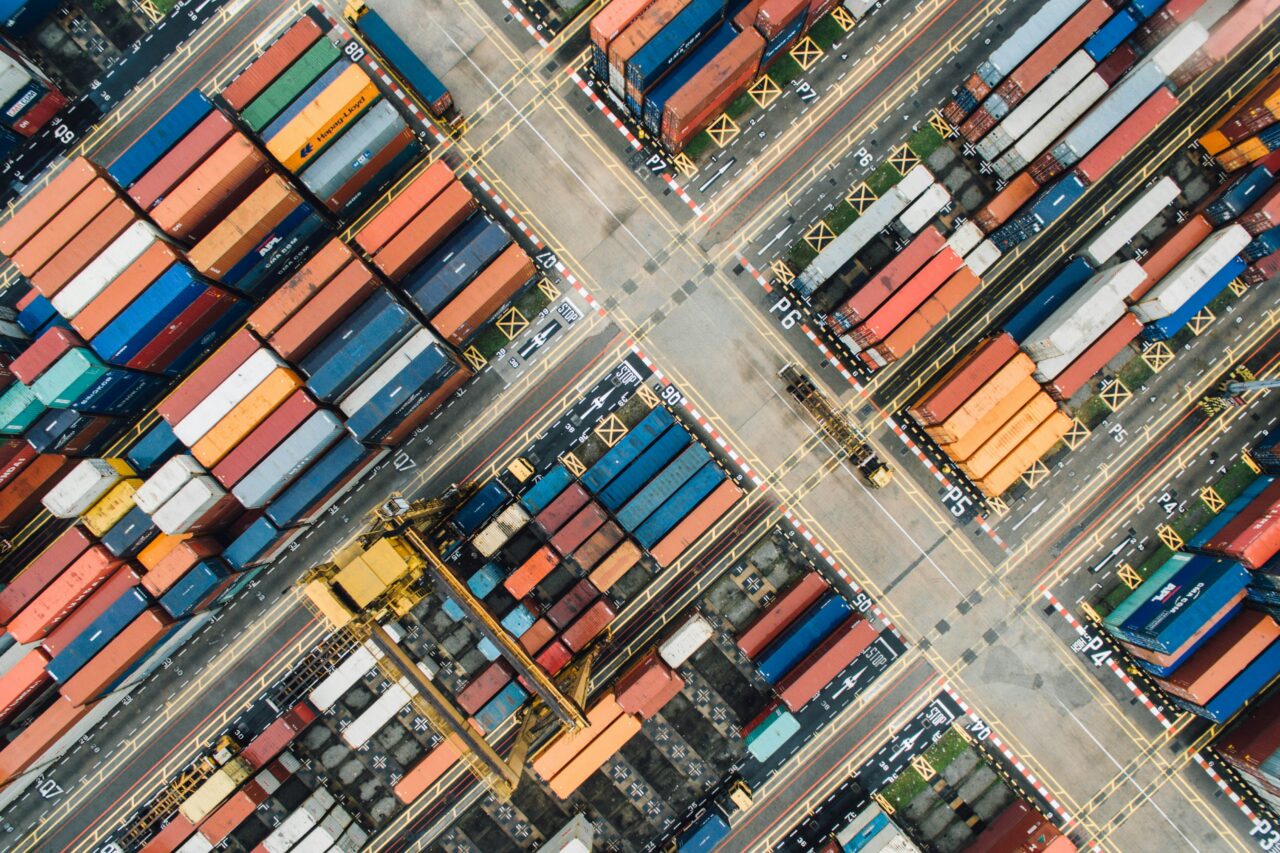
Cross-border regulatory divergence produces significant operational and strategic impacts for logistics and transloading operations. Companies face increased administrative and compliance costs, potential shipment delays caused by inspections or documentation requirements, and ongoing fleet and infrastructure investment pressures. Regulatory misunderstandings may also limit market access and create reputational risk. Organizations that successfully operate across North America mitigate these challenges by continuously monitoring regulatory changes, standardizing compliance procedures, and integrating sustainability considerations into long-term logistics planning.
Those who want to learn more about how such regulations might impact operations across North America can attend the TDANA Annual Conference to hear from industry leaders regarding their insights on the regulatory landscape as well as network with those in the know across the industry.